Afficher Masquer le sommaire
- The Art of Savory Crumbles
- Selecting Your Ingredients
- Choosing the Perfect Zucchini
- Tomato Selection and Preparation
- Parmesan Cheese Quality Matters
- Essential Preparation Techniques
- Managing Vegetable Moisture
- Creating the Perfect Crumble Topping
- Step-by-Step Cooking Method
- Preparing the Vegetable Base
- Applying the Crumble Topping
- Baking and Timing Considerations
- Serving Suggestions and Variations
- Perfect Pairings
- Seasonal Adaptations
- Storage and Reheating Tips
When summer vegetables reach their peak and your garden overflows with fresh zucchini and ripe tomatoes, there’s no better way to celebrate the season than with a savory crumble that transforms these humble ingredients into something extraordinary.
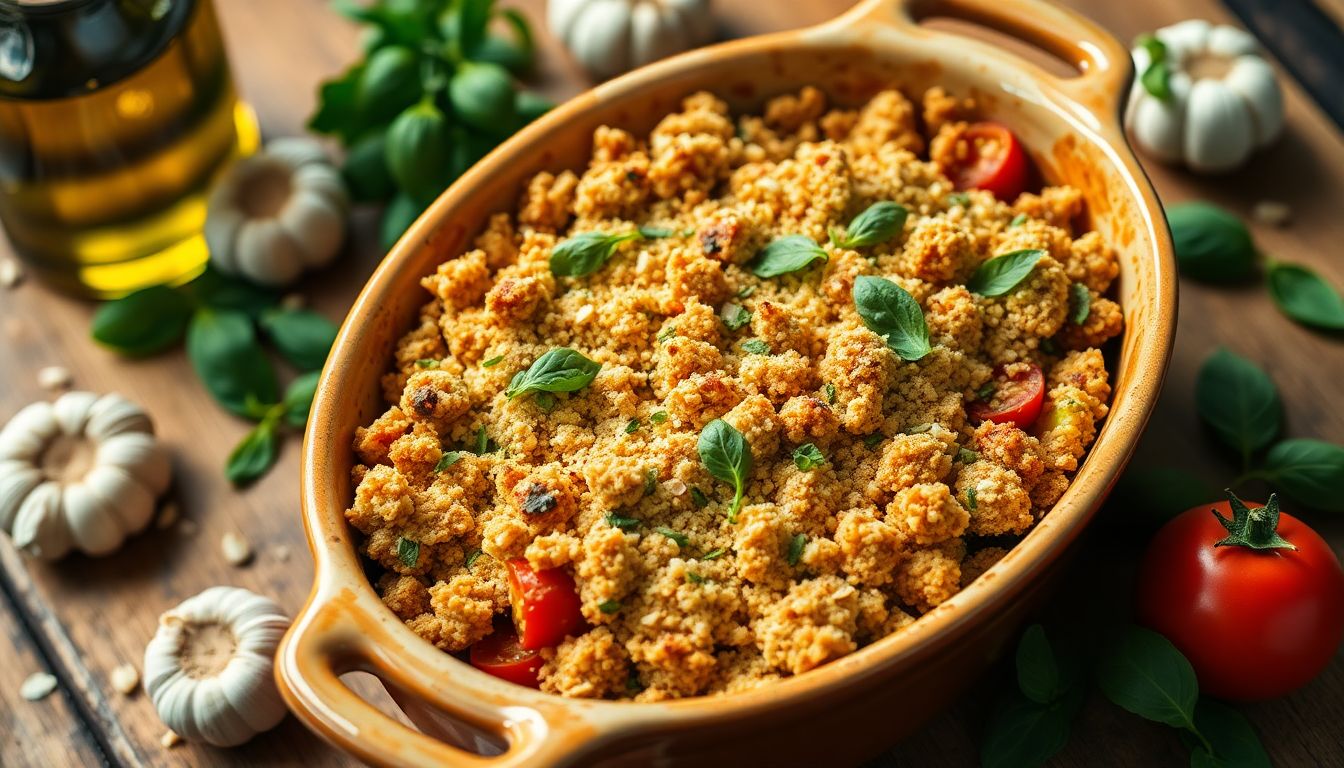
This Mediterranean-inspired dish breaks away from traditional sweet crumbles, offering a sophisticated blend of textures and flavors that works equally well as a side dish, light lunch, or elegant dinner party centerpiece.
The beauty of a savory crumble lies in its versatility and the way it elevates simple vegetables through the magic of contrast. The tender, herb-infused vegetables create a succulent base while the golden, buttery crumble topping provides that satisfying crunch we all crave. Add the sharp, nutty notes of aged Parmesan cheese, and you have a dish that speaks to both comfort food lovers and culinary adventurers.
The Art of Savory Crumbles
While most people associate crumbles with fruit desserts, the savory version has deep roots in European cuisine. French gratins, British savory crumbles, and Italian baked vegetable dishes all share this common thread of combining tender vegetables with a textured topping. The technique allows vegetables to maintain their individual character while melding together in harmonious flavor combinations.
The key to a successful savory crumble lies in balancing moisture levels. Vegetables like zucchini and tomatoes release significant amounts of water during cooking, which can make or break your dish. Proper preparation techniques ensure that your crumble emerges from the oven with a crispy top and perfectly cooked vegetables underneath, rather than a soggy mess.
Selecting Your Ingredients
Choosing the Perfect Zucchini
Not all zucchini are created equal when it comes to cooking. Look for medium-sized zucchini that feel firm and heavy for their size. The skin should be glossy and free from soft spots or blemishes. Avoid oversized zucchini, as they tend to be watery and contain large seeds that can affect the texture of your finished dish.
Young zucchini, typically 6-8 inches long, offer the best flavor and texture. Their skin is tender enough to eat, and their flesh maintains a pleasant bite even after cooking. If you’re growing your own, harvest them regularly to encourage continued production and ensure optimal size.
Tomato Selection and Preparation
For this crumble, Roma tomatoes or other paste varieties work exceptionally well due to their lower water content and meatier texture. Cherry tomatoes can also be excellent, providing bursts of concentrated flavor throughout the dish. Avoid very juicy varieties like beefsteak tomatoes unless you’re prepared to spend extra time removing excess moisture.
The ripeness of your tomatoes significantly impacts the final dish. Perfectly ripe tomatoes offer the best balance of acidity and sweetness, while slightly underripe ones may add unwanted tartness. Overripe tomatoes, while flavorful, can contribute too much moisture to the dish.
Parmesan Cheese Quality Matters
Invest in good-quality Parmigiano-Reggiano for this recipe. The aged, complex flavors of authentic Parmesan cheese elevate the entire dish. Pre-grated cheese from a container simply cannot match the nutty, crystalline texture and rich flavor of freshly grated cheese. A 24-month aged Parmesan offers excellent flavor without being overpowering, while a 36-month aged variety provides more intense, complex notes.
Essential Preparation Techniques
Managing Vegetable Moisture
The most critical step in creating a successful zucchini and tomato crumble involves removing excess moisture from your vegetables. Start by slicing your zucchini into rounds approximately ¼ inch thick. Lay them on paper towels and sprinkle generously with coarse salt. Allow them to sit for 30 minutes, then pat dry with clean paper towels.
For tomatoes, slice them and lay them on a separate set of paper towels. Salt them lightly and let them drain for 15-20 minutes. This process, known as degorging, draws out excess water that would otherwise make your crumble soggy.
Creating the Perfect Crumble Topping
The crumble topping should complement, not overpower, the vegetables. A classic combination includes:
- All-purpose flour as the base
- Cold butter cut into small cubes
- Fresh breadcrumbs for texture
- Grated Parmesan cheese
- Fresh herbs like thyme, oregano, or basil
- Salt and pepper to taste
Work the cold butter into the flour mixture using your fingertips or a pastry cutter until it resembles coarse breadcrumbs. The key is to keep the butter cold, which creates the flaky, crispy texture you want in the finished topping.
Step-by-Step Cooking Method
Preparing the Vegetable Base
Preheat your oven to 375°F (190°C). After your vegetables have been salted and drained, arrange them in overlapping layers in a buttered baking dish. Start with a layer of zucchini, followed by tomatoes, then repeat. This layering technique ensures even cooking and attractive presentation.
Between layers, add thin shavings of fresh garlic, torn basil leaves, and a light sprinkle of olive oil. These aromatics infuse the vegetables with Mediterranean flavors as they cook. A few grinds of black pepper and a pinch of red pepper flakes add depth without overwhelming the delicate vegetable flavors.
Applying the Crumble Topping
Distribute the crumble mixture evenly over the layered vegetables. Don’t pack it down; instead, let it fall naturally to create an uneven, rustic surface that will brown beautifully in the oven. The irregular surface allows for varying degrees of browning, creating textural interest in every bite.
Drizzle a small amount of extra virgin olive oil over the crumble topping. This helps achieve the golden-brown color and adds another layer of Mediterranean flavor to the dish.
Baking and Timing Considerations
Bake the crumble for 35-45 minutes, until the topping is golden brown and the vegetables are tender when pierced with a fork. The exact timing depends on the thickness of your vegetable slices and the depth of your baking dish. A deeper dish requires longer cooking time to ensure the vegetables in the center cook through properly.
If the topping browns too quickly, cover it loosely with aluminum foil and continue baking until the vegetables are done. The finished dish should have a crispy, golden top with bubbling edges where the vegetable juices meet the crumble.
Serving Suggestions and Variations
Perfect Pairings
This savory crumble pairs beautifully with grilled meats, roasted chicken, or fish. It also stands alone as a vegetarian main course when served with a simple green salad and crusty bread. The Mediterranean flavors complement wines from the same region, particularly a crisp Pinot Grigio or a light Chianti.
Seasonal Adaptations
While zucchini and tomatoes define the summer version, this technique adapts beautifully to other seasonal vegetables. In autumn, try butternut squash and caramelized onions with sage. Winter calls for root vegetables like parsnips and carrots with rosemary. Spring vegetables such as asparagus and leeks work wonderfully with fresh chives and lemon zest.
Storage and Reheating Tips
Leftover crumble keeps well in the refrigerator for up to three days. To reheat, place it in a 350°F (175°C) oven for 15-20 minutes until heated through. Avoid microwaving, as this will make the topping soggy and diminish the textural contrast that makes this dish special.
For best results, let the crumble rest for 10 minutes after removing it from the oven. This allows the juices to settle and makes serving much easier. The flavors also have time to meld together, creating an even more cohesive and delicious final dish.
This Mediterranean-inspired crumble represents the perfect marriage of simplicity and sophistication. By respecting the natural flavors of seasonal vegetables and applying time-tested cooking techniques, you create a dish that celebrates the abundance of summer while providing the comfort and satisfaction of traditional home cooking. Whether served as part of a larger meal or enjoyed on its own, this savory crumble brings the warmth and flavors of the Mediterranean to your table.